Chigwell rubbish removal near Chigwell Tube Station insider tips
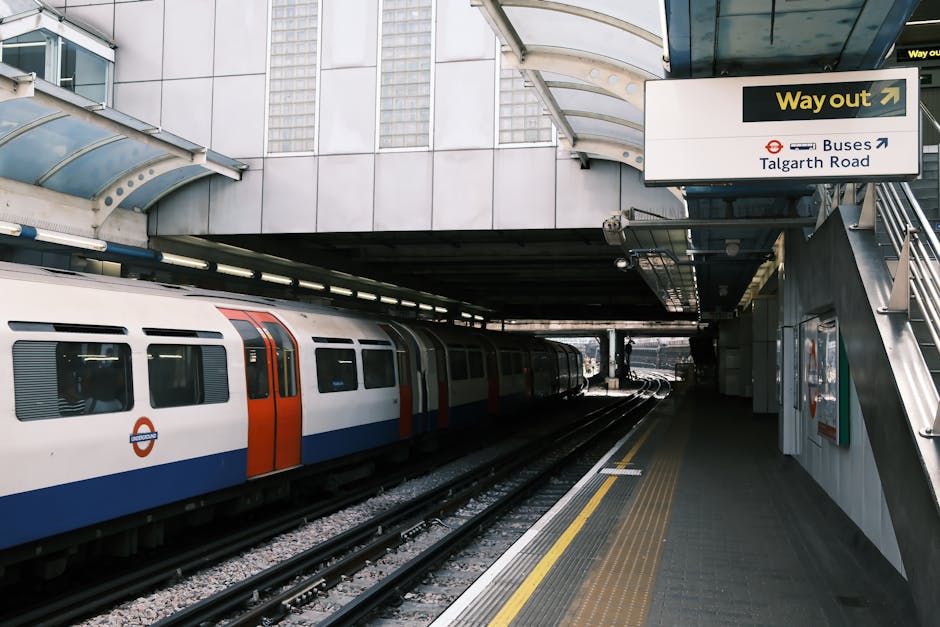
If you are trying to clear waste around Chigwell Tube Station, timing and access matter more than people expect. A quick job can turn awkward fast if the van cannot stop safely, the lift route is blocked, or the waste needs sorting on the spot. That is why Chigwell rubbish removal near Chigwell Tube Station insider tips is not just about finding someone with a van. It is about planning the clearance so it runs smoothly, keeps neighbours happy, and avoids pointless delays.
In practice, the best results usually come from a simple mix: know what needs removing, group items sensibly, check access before the crew arrives, and choose a service that understands local streets and building layouts. Sounds basic, but it is exactly where many clearances go sideways. This guide breaks it down properly, with practical steps, local-minded advice, and a few things people often miss until the last minute.
Why Chigwell rubbish removal near Chigwell Tube Station insider tips Matters
Rubbish removal is never just "take the stuff away." Near a Tube Station, the local environment changes the job. Traffic can be stop-start. Parking can be tight. People are walking in and out at all hours. Deliveries, commuters, school runs, and busy household routines all squeeze into the same small space. If your clearance is badly timed, you may end up with extra waiting, awkward lifting, or a collection that takes longer than it should.
That matters for homes, flats, landlords, shops, offices, and builders alike. A small pile of waste outside a property can look harmless, but in a shared or high-footfall area it can quickly become a nuisance. Bags split. Cardboard blows around. Old furniture sits there longer than planned. And let's face it, nobody wants to spend half the morning standing outside with a sofa and a mild sense of regret.
There is also a trust factor. People want waste gone, yes, but they also want it handled properly. That means knowing what can be reused, what should be recycled, and what needs careful disposal. If you are comparing services, it helps to look beyond the headline price and think about process, safety, insurance, and where the waste ends up. A good starting point is the company's recycling and sustainability approach, because that tells you a lot about how they think.
For many local jobs, the real value is speed without sloppiness. Around Chigwell Tube Station, that combination saves time, cuts stress, and keeps the clearance discreet. Not glamorous, but very useful.
How Chigwell rubbish removal near Chigwell Tube Station insider tips Works
The process is usually straightforward, though the details matter. Most rubbish removal jobs begin with a description of what needs clearing, followed by a rough estimate of volume or the type of waste involved. From there, the team plans the vehicle size, crew numbers, timing, and loading approach. If access is awkward, they may need extra time or a different collection method.
For a typical local clearance, the team arrives, checks the items, confirms the quote, and then removes the waste. Good crews will separate reusable items, recyclable materials, and general waste as they load, rather than shoving everything into one heap. That small habit often makes the whole job cleaner and faster.
In residential settings near the station, especially flats or converted houses, the path from property to vehicle can be just as important as the rubbish itself. Narrow hallways, shared entrances, and limited front-of-house space can all affect how the job is done. If you are in a flat, it may be worth looking at flat clearance services when the job involves larger household items as well as mixed waste.
Some jobs are mostly one-off clearances. Others are part of a broader project, such as a move, renovation, or office refresh. In those cases, rubbish removal may sit alongside home clearance, house clearance, or even office clearance. The service can be tailored, but only if you explain the job clearly at the start. A messy brief tends to create a messy day.
Key Benefits and Practical Advantages
The obvious benefit is convenience. You do not have to hire a van, load heavy items yourself, or make multiple tip runs. But the local advantages are a bit more interesting than that.
- Less disruption: A well-planned clearance near the Tube Station can be done quickly, which keeps neighbours and passers-by out of the process.
- Better access planning: Crews familiar with busy residential and mixed-use streets tend to handle tight parking and timed arrivals more smoothly.
- Safer handling: Heavy items like wardrobes, desks, broken appliances, or bags of builders' waste are easier to move with the right equipment and team size.
- Cleaner end result: Proper sorting and loading usually leave the area tidier than a DIY clear-out would.
- Flexibility: Jobs can range from one item to a full property clearance, depending on what you actually need removed.
There is also a quieter benefit that people appreciate after the fact: mental relief. A cluttered hallway, garage, loft, or office storage room can sit in the background of your life for months. Once it is cleared, the space feels bigger, lighter, and oddly easier to think in. Maybe that sounds dramatic. Still true though.
If the waste includes bulky furniture, you may also want to explore furniture clearance or furniture disposal rather than treating everything as generic rubbish. That can make the plan more accurate and the collection more efficient.
Who This Is For and When It Makes Sense
This kind of local rubbish removal is useful for a lot of people. The common thread is simple: you have waste to remove, but you would rather not spend your own time wrestling with it.
Homeowners and tenants often need help after a declutter, move, or refurbishment. A few bags can turn into a much bigger pile once you start pulling things out of cupboards. Funny how that happens.
Landlords and letting agents use clearance services when a tenant leaves furniture, mixed rubbish, or a garage full of forgotten odds and ends. Fast turnaround matters, especially if a property needs to be readied for viewings or repairs.
Businesses may need regular or one-off waste removal for old stock, packaging, office furniture, or general clutter. In those cases, a dedicated business waste removal service is often more suitable than a purely domestic one.
Builders and renovators need a method for rubble, offcuts, packaging, and mixed site waste. If that sounds familiar, builders waste clearance is usually the better fit.
Garage, loft, and garden jobs also benefit from a specialist approach. These areas collect old items for years, then suddenly demand action at the worst possible moment. You can see why garage clearance, loft clearance, and garden clearance are often grouped into one practical plan.
In short, if the job is too large for your car, too awkward for your time, or too messy for your patience, it makes sense.
Step-by-Step Guidance
If you want the smoothest experience near Chigwell Tube Station, work through the job in this order.
- Identify the waste clearly. Separate furniture, bags, garden debris, builder's waste, and any items that might need special handling. A chair is not the same as a bag of mixed rubble, even if both are annoying.
- Estimate the volume. You do not need to be perfect. Just give a sensible description: one sofa, six black bags, two bookcases, and a broken chest of drawers. That is usually enough for an initial plan.
- Check access. Measure doorways if the item is large, note stairs, lift access, parking restrictions, and whether the crew can park close by. Near a station, this step saves real time.
- Choose the right service type. General waste, furniture, home clearance, office clearance, and builders' waste each have slightly different needs.
- Request a clear quote. Ask what is included, whether labour is included, and whether sorting or heavy lifting affects the price. If you want to compare options properly, pricing and quotes should be checked early rather than at the last minute.
- Prepare the area. Put aside items that are staying, clear the route, and keep pets and children safely out of the way. Simple, but it helps a lot.
- Confirm the collection details. Time, contact name, access notes, and item list should all be aligned before the van turns up.
- Walk through after removal. Check that nothing has been left behind and that the space is usable again.
One useful habit: take a quick set of photos before the team arrives. Not for drama, just clarity. It can help avoid "I thought that was included" conversations, which nobody enjoys on a damp Tuesday morning.
Expert Tips for Better Results
Here is the part people usually want: the insider tips that actually make a difference.
Tip 1: Book for quieter windows where possible. If your access route is shared or you expect foot traffic, a less hectic time can reduce friction. Even if the collection itself is short, the loading window matters.
Tip 2: Be honest about difficult items. A piano, a soaked mattress, dismantled wardrobes, or builder's debris all change the job. The more honest the briefing, the less chance of surprise.
Tip 3: Separate what can be reused. If there are usable items, tell the team. Some items may be suitable for reuse rather than direct disposal, which can help with waste reduction.
Tip 4: Keep your route clear from the property to the vehicle. This sounds obvious, but it is one of the biggest time-savers. Shoes by the door, bins in the way, bicycles in the hallway - all tiny delays that add up.
Tip 5: Ask about handling and insurance. This matters more than people think. If items need to come down stairs or through tight communal spaces, you want a crew that takes care. You can review a provider's health and safety policy and insurance and safety information to build confidence.
Tip 6: Think beyond the collection day. If you are clearing a property, what comes next? Decorating, cleaning, handing keys back, or bringing in new furniture? Planning that sequence avoids the classic "great, now where do we put the new sofa?" moment.
Tip 7: Use the job as a sorting point. Once you have decided what leaves, it is easier to assess what stays. The space almost decides for you, in a way. A slightly smug but useful process.
Common Mistakes to Avoid
Most problems are preventable. That is the good news. The bad news is that people keep making the same few mistakes.
- Under-describing the waste: Saying "a few bits" is not enough if there are bulky or heavy items involved.
- Ignoring access issues: Parking, stairs, lifts, and narrow corridors can all affect timing and cost.
- Leaving sorting until collection day: This slows everything down and creates confusion.
- Choosing purely on price: A cheap quote that excludes labour, loading, or recycling can become expensive in practice.
- Mixing everything together: Garden waste, furniture, and builders' rubble may need different handling.
- Forgetting protected items or documents: Especially in offices and flats, check drawers, cupboards, and hidden corners before anything leaves.
To be fair, the biggest mistakes often happen when people are rushed. A move, an end-of-tenancy deadline, or a renovation can create that "just get it gone" feeling. But a 10-minute reset before booking usually saves far more time later.
Tools, Resources and Recommendations
You do not need fancy kit to organise rubbish removal well, but a few simple tools help a lot.
- Measuring tape: Useful for checking large furniture against doorways and stairs.
- Phone camera: Take photos of the waste and access route for a clearer quote.
- Labels or marker pens: Handy if you are separating keep, donate, recycle, and remove piles.
- Sturdy gloves and basic cleaning supplies: Helpful if you are moving smaller items before the crew arrives.
- Notepad or checklist: Ideal for properties with several rooms or a mix of waste types.
If you are dealing with items from a loft, garage, or house-wide declutter, it can help to think in zones. Kitchen, loft, shed, spare room, hallway. One at a time. It sounds slow, but it prevents the whole job from turning into a heap of half-decisions.
For broader clearance needs, these pages may be useful as you decide what type of service fits best: home clearance, house clearance, and general waste removal. If you want to understand the company behind the service, about the team is worth a look too.
Law, Compliance, Standards, or Best Practice
Waste removal in the UK comes with responsibilities, and while most customers do not need the legal detail on day one, it helps to know the basics. Waste should be handled by people who are set up to carry, transfer, sort, and dispose of it appropriately. If you are a business, your duty of care is especially important, because you need to be confident your waste is passed on correctly.
For householders, the practical point is simple: do not hand waste to anyone who cannot explain where it goes or how it is handled. If a clearance is being done responsibly, the provider should be able to talk plainly about sorting, recycling, and safe disposal. No jargon needed, just clear answers.
Where safety is involved, best practice includes safe lifting, suitable vehicles, clear access planning, and proper care around sharp, heavy, or awkward materials. If you have hazardous items, chemicals, or electrical waste concerns, always raise them early. The right provider will tell you what they can take and what needs separate handling.
Standards are also practical, not just paperwork. Good hygiene, tidy loading, respectful behaviour in shared spaces, and careful communication all matter. In a local area like Chigwell, where residential streets and station traffic can be busy, being considerate is not a bonus. It is part of the job.
Options, Methods, or Comparison Table
People often choose between doing it themselves, using a skip, or booking a clearance service. Each option has its place.
| Method | Best for | Pros | Watch out for |
|---|---|---|---|
| DIY removal | Very small, light loads | Can feel cheap if you already have transport | Time, lifting, multiple trips, disposal hassle |
| Skip hire | Longer projects with steady waste flow | Good for ongoing renovation waste | Space for the skip, permits, loading effort, weather exposure |
| Professional rubbish removal | Mixed waste, bulky items, tight timelines | Fast, labour included, less stress | Quote accuracy depends on clear information |
For most jobs near Chigwell Tube Station, a professional collection is the most practical option if access is tight or the waste is mixed. If you are clearing a garden at the same time, a dedicated garden clearance can be the cleaner route. If the job is mostly old office stock or furniture, then furniture disposal might make more sense than a general collection.
Case Study or Real-World Example
Here is a realistic example. A small flat not far from Chigwell Tube Station needs clearing after a tenant move-out. The property has a broken bed frame, two wardrobes, several bags of mixed rubbish, an old office chair, and a couple of boxes from the loft. Nothing unusual, but enough to make the hallway crowded and awkward.
The owner sends photos, lists the larger items, and notes that the building has a shared entrance and limited parking. The collection is arranged for a quieter part of the day. On the morning, the route is left clear, the items are grouped, and the crew removes everything in one visit. The process is calm. No drama. The space is ready for cleaning and re-letting the same day.
What made it work? Clear information, realistic timing, and a sensible choice of service. Not magic. Just good planning.
That same approach works for a garage clearance, a small office refresh, or a garden waste job. Different waste, same principle: the clearer the setup, the smoother the finish.
Practical Checklist
Use this before your collection day.
- List everything that needs removing.
- Separate bulky items from bagged waste.
- Measure large furniture if access is tight.
- Take clear photos of the waste and access points.
- Check parking and loading space near the property.
- Decide what stays, what goes, and what might be reused.
- Clear hallways, doorways, and stair routes.
- Keep valuables, documents, and personal items aside.
- Confirm the time, location, and contact details.
- Review any safety or insurance information if you want extra reassurance.
Expert summary: The best rubbish removal near Chigwell Tube Station is not the cheapest or the fastest on paper. It is the one that gives you a clear plan, respects access limitations, and leaves the site tidy without fuss.
Get a free quote today and see how much you can save.
Conclusion
Chigwell rubbish removal near Chigwell Tube Station insider tips really comes down to one thing: make the collection easy to understand before anyone arrives. When you give accurate details, think about access, and choose the right type of clearance, the job becomes smoother, safer, and much less stressful.
That is especially true in a busy local area where parking, foot traffic, and shared access can complicate even a straightforward collection. A little planning goes a long way. Honestly, more than most people expect.
If you want a reliable next step, start with the service that fits your waste type, check the process, and keep your briefing simple but complete. The result is usually a quicker clearance, less hassle, and a space that feels like yours again.
And once it is all gone, that quiet empty-room feeling? Hard to beat.
Frequently Asked Questions
What is the best way to arrange rubbish removal near Chigwell Tube Station?
The best approach is to describe the waste clearly, check access and parking, and choose a service that can handle the type and volume of items involved. Photos help a lot, especially for bulky furniture or mixed waste.
How far in advance should I book a clearance?
As early as you can, especially if you have a move-out deadline, renovation work, or limited access times. That said, many clearances can still be arranged quickly if the job is straightforward.
Do I need to sort the rubbish before collection?
Not always, but some sorting is helpful. Separating furniture, garden waste, and builders' debris makes quoting and loading easier. If you can keep useful or reusable items aside, even better.
What happens if the crew cannot park close to my property?
That usually affects timing rather than making the job impossible. It is best to mention parking issues in advance so the team can plan around them and allow enough time.
Is rubbish removal better than skip hire for a flat near the station?
Often, yes. For flats and properties with tight access, rubbish removal is usually less disruptive because the labour is included and you do not need space for a skip.
Can old furniture be removed with general waste?
Sometimes, but furniture is often better handled through furniture clearance or disposal services. That gives a clearer plan and may improve sorting for reuse or recycling.
What should I do with items from a loft or garage?
Group them by type if possible and keep the route to the exit clear. Loft and garage jobs often involve awkward items, dust, and forgotten bits, so a little prep makes a big difference.
How do I know if a rubbish removal company is trustworthy?
Look for clear communication, sensible pricing, safety information, and a proper explanation of how waste is handled. The company should be able to explain its approach without sounding vague or defensive.
Can businesses use the same service for office waste?
Yes, but it is usually better to use a business-specific option such as office or business waste removal. That helps match the service to the type of waste and the operational needs of the business.
What if I have building rubble or renovation waste?
Then a builders' waste clearance service is usually the right fit. Mixed construction waste can be heavier and dirtier than standard household rubbish, so it benefits from a more specific plan.
Does rubbish removal include recycling?
It should be handled responsibly, with recyclable materials separated where possible. A provider's recycling and sustainability information is a good place to check how they approach this.
Where can I ask about the service or next steps?
If you want to discuss a job, ask about access, or compare options, use the company's contact page. If you would rather understand the business first, the about page is also helpful.