Rubbish removal for Chigwell businesses - instant quotes
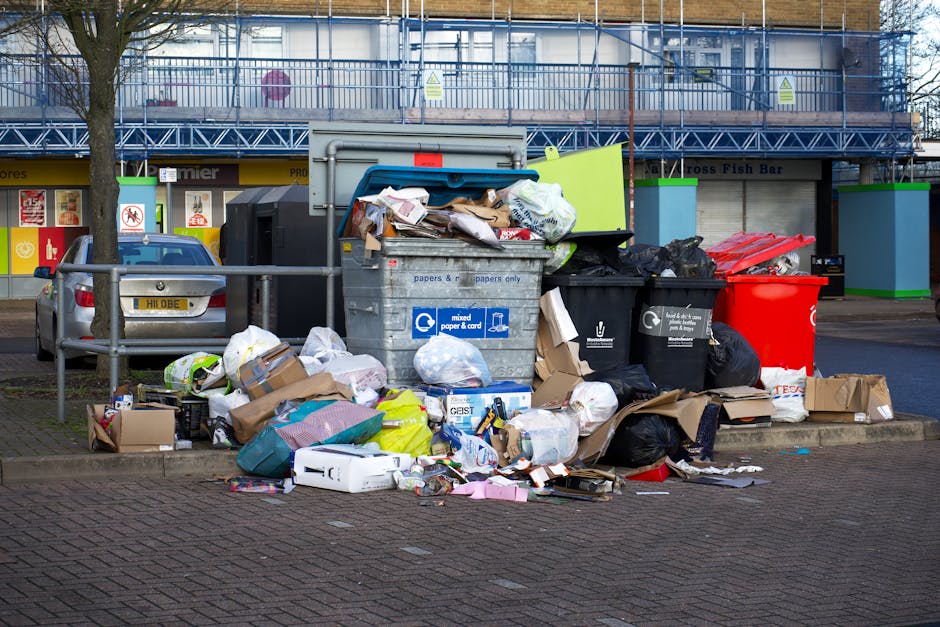
If you run a business in Chigwell, rubbish has a way of building up quietly and then all at once becoming a problem. One day it is a few broken chairs and a stack of cardboard; the next it is a back office nobody wants to enter, a fire exit half-blocked, or a delivery area cluttered with old packaging. That is where Rubbish removal for Chigwell businesses - instant quotes becomes genuinely useful. You need a fast, clear price, a straightforward booking process, and a service that does not disrupt the workday more than necessary.
This guide explains how business rubbish removal works, what to expect from instant quotes, which costs and risks matter most, and how to choose the right option for your premises. It is written for owners, managers, landlords, facilities teams, and anyone who just wants the job done properly without a drawn-out phone chain. Let's face it, nobody wants to spend Tuesday morning negotiating over bin bags.
Why Rubbish removal for Chigwell businesses - instant quotes Matters
Commercial waste is not just a nuisance. It affects day-to-day operations, customer perception, staff safety, and in some cases whether you can use the space properly at all. A messy stockroom looks unprofessional. A cluttered office slows everyone down. A builder's skip filled with mixed waste can become more trouble than it is worth. When waste is removed promptly, the whole place feels calmer and more manageable.
For local businesses in Chigwell, instant quoting matters because timing often matters. A shop refit, a tenancy changeover, a small demolition job, or an office clear-out can move quickly. You may not have time for back-and-forth site visits just to get a ballpark figure. A quick, accurate quote helps you decide the same day, which is useful when you are juggling staff, customers, and a fairly noisy to-do list.
There is another side to it too. Commercial rubbish tends to attract hidden costs when it is left too long: extra labour, storage problems, access issues, and avoidable downtime. In our experience, the businesses that sort waste early usually end up spending less overall. Not always less in the headline number, but less in stress. And honestly, that counts.
If your waste stream is more than a one-off clear-out, it can also help to understand the wider service categories available, such as business waste removal and general waste removal. That makes it easier to match the right service to the right job rather than paying for something broader than you need.
How Rubbish removal for Chigwell businesses - instant quotes Works
The instant quote process is usually built around speed and simplicity. Instead of waiting days for a visit, you provide details about the rubbish, access, and timing, and receive a price estimate quickly. In many cases the quote is based on the amount of waste, the type of material, and how easy it is to collect.
That sounds simple, but the details matter. A pile of office chairs in a ground-floor unit is a very different job from a third-floor clear-out with narrow stairs and no lift. A load of clean cardboard is different from mixed rubbish, and builders' rubble is different again. The more precise your description, the more useful the quote will be.
Typical information needed for a fast quote includes:
- the type of rubbish, such as office furniture, packaging, general waste, or builders' debris
- approximate volume, for example half a van load or a full van load
- access details, including stairs, parking, loading bays, or restricted entry
- preferred collection time and any urgency
- special items that may need separate handling
Some business customers prefer a quote after sending a few photos. That works well when the job is visual and straightforward. Others need a more considered discussion, especially if the site contains mixed materials or bulky items. The best providers will keep the process clear rather than hiding behind jargon. You should know what is included, what might change, and what happens if the load turns out to be bigger than expected.
If your project is office-led, you may also want to look at office clearance, which can be a better fit for desks, chairs, archive boxes, screens, and general workplace clutter. For premises with mixed furniture and appliances, furniture clearance or furniture disposal may be more suitable. Small distinction, big difference.
Key Benefits and Practical Advantages
The appeal of instant quotes is not just convenience. It is control. You can make a decision quickly, compare options sensibly, and keep the job moving without stalling operations. For busy businesses, that is huge.
- Speed: quick pricing means quicker booking, which is handy when waste is getting in the way.
- Budget clarity: a clear quote helps you plan without guesswork.
- Less disruption: the work can often be scheduled around opening hours or quieter periods.
- Cleaner premises: removing rubbish improves safety, appearance, and workflow.
- More scalable: you can use the service for one-off jobs or recurring clear-outs.
- Better space use: unused corners, stockrooms, and back areas become usable again.
There is also a practical morale benefit. Staff tend to work better in a clean, organised environment. Nobody says it out loud every day, but people notice when a workspace feels less cramped and less chaotic. You can almost hear the place breathe again.
For businesses with regular waste pressure, such as retail, hospitality, trades, property management, or small offices, a reliable rubbish removal arrangement can be part of the operating rhythm. It is one less thing to chase, and those little wins stack up.
Who This Is For and When It Makes Sense
Rubbish removal with instant quotes suits any Chigwell business that needs a fast, no-fuss answer. That includes one-off clearances and recurring situations. If you are unsure whether you need a collection now or later, a quick quote can help you decide before the waste becomes a larger issue.
It is especially useful for:
- offices dealing with old furniture, boxes, files, and general clutter
- shops and salons needing packaging, display waste, shelving, or refit debris removed
- landlords and letting agents handling end-of-tenancy rubbish or abandoned items
- builders and tradespeople with leftover materials after a job
- warehouses and storage units where accumulated waste has become hard to manage
- hospitality businesses clearing damaged furniture, catering packaging, or back-of-house waste
If the job involves lofts, garages, or mixed property clearances connected to a business-owned building, the surrounding services can also be relevant. For example, some premises need garage clearance, loft clearance, or even broader property work under home clearance or house clearance where a business is tied to residential stock or mixed-use property. The point is to match the service to the actual mess, not the ideal version of the mess.
It may not make sense if you only have a tiny amount of waste and a standard waste stream already covers it. But if the waste is bulky, awkward, mixed, or time-sensitive, a dedicated removal service can save a lot of frustration. Truth be told, the "we'll deal with it later" approach usually wins the shortest-term battle and loses the week.
Step-by-Step Guidance
If you want a smooth result, treat the quote like the start of the job, not just a price check. A few minutes of preparation can prevent surprises later.
- Sort the waste into rough categories. Keep office furniture, general rubbish, cardboard, wood, and builders' waste separate if you can.
- Estimate the volume. Think in practical terms: a few bags, a quarter van, half a van, or a full load. No need to be perfect, just honest.
- Check access. Stairs, parking restrictions, loading times, lifts, and narrow corridors all affect collection time.
- Note any problem items. Heavy desks, glass panels, old shelving, or mixed construction debris may change the quote.
- Ask what is included. Make sure labour, loading, and disposal are clearly explained.
- Book a sensible time. Early morning before trading starts often works well, though not every business can do that.
- Prepare the area. If possible, move waste to one place so the team can load efficiently.
If your waste is mainly construction-related, you may need builders' waste clearance rather than a general collection. That is one of those small judgement calls that saves people money and awkward phone calls later. A mixed load can be fine, but it should be described accurately.
A good rule: if you would need to mention it twice because it feels important, mention it in the first quote request. That includes access limitations, fragile flooring, awkward items, and timing pressure. Better to over-communicate a little than to have the driver turn up and discover the back entrance is locked, which happens more often than people admit.
Expert Tips for Better Results
Here are the small habits that usually make the biggest difference. They are not glamorous, but they work.
- Take a few clear photos. Wide shots and close-ups help provide a more accurate instant quote.
- Be precise about mixed waste. A load that is half clean cardboard and half broken fixtures is not the same as one type of waste only.
- Group items before collection. It saves labour time and makes the job feel less chaotic.
- Ask about recycling. Responsible operators should explain how they separate recyclable material where possible.
- Plan around trading hours. An early pickup or quiet-period slot can reduce disruption for customers and staff.
- Keep your invoice trail tidy. For business records, that paperwork matters more than people think.
Another practical tip: if you regularly produce similar waste, create a simple internal checklist for staff. It does not need to be fancy. One page, maybe two. It helps everyone know what gets reported, what gets stored, and what gets cleared. Boring? Maybe. Useful? Absolutely.
Also, if the waste contains anything reusable, separate it before collection. A lot of businesses mix saleable or reusable furniture with genuine rubbish because it is easiest in the moment. Then later they regret it. A quick sort can make a surprising difference.
Common Mistakes to Avoid
Most clearance problems come from poor preparation rather than the service itself. The good news is that they are avoidable.
- Giving a vague description. "Some rubbish" is not enough for an accurate quote.
- Ignoring access issues. A job that looks small on paper may be difficult if parking is awkward.
- Mixing everything together. Mixed waste can be handled, but it needs to be identified properly.
- Forgetting heavy or awkward items. These can affect labour and time on site.
- Choosing purely on price. The cheapest quote is not always the best if it excludes loading, disposal, or proper handling.
- Leaving the booking too late. Last-minute clearances are possible, but panic tends to make people accept the wrong option.
There is also a softer mistake: assuming all waste is identical. It is not. Office junk, retail packaging, garden debris, and construction rubble each carry different handling considerations. Treating them as interchangeable is where quotes get messy. And nobody likes a messy quote.
If you are clearing out premises and there are also furniture issues, use the right page for the right job. Furniture disposal can be more suitable when the main job is to remove bulky household-style pieces from a business-owned space. The better the fit, the smoother the outcome.
Tools, Resources and Recommendations
You do not need specialist software to arrange waste removal, but a few basic tools make everything easier.
- Camera or phone photos: useful for instant quote requests.
- Simple inventory list: especially handy for offices, stockrooms, and property managers.
- Access notes: write down where vehicles can stop, where keys are held, and which doors are usable.
- Internal approval route: know who signs off spend so the quote does not sit in an inbox.
- Collections calendar: helpful if you arrange regular waste clearances.
For businesses wanting to understand how pricing is presented, the most relevant place to start is pricing and quotes. It is a sensible way to compare what is being offered, especially if you are trying to separate a fair quote from a suspiciously vague one. If payment method, security, or admin reassurance matters to your team, the page on payment and security can also help.
If you care about where waste ends up, look at the business's approach to recycling and sustainability. Most commercial customers do care, even if they do not say it in boardroom language. A good provider should be able to explain its general process without exaggeration.
Law, Compliance, Standards, or Best Practice
Commercial waste removal in the UK sits within a wider framework of responsibility, record-keeping, and proper handling. You do not need to become a compliance specialist, but you should expect the service to operate in a way that supports your obligations as a business.
As a practical matter, businesses should be careful about using only properly authorised waste carriers and about keeping a clear record of disposal arrangements. If a waste load is handed over casually without paperwork or traceability, that can create avoidable risk. The exact obligations can vary depending on what kind of business you run and what the waste includes, so it is wise to take a cautious approach rather than assuming everything is fine by default.
Health and safety matters too. If the rubbish is heavy, sharp, dusty, broken, or awkward to move, it should be handled using sensible manual handling practices and appropriate equipment. This is where a professional team can be worth more than just the collection itself. They are there to reduce risk as well as clear space.
For businesses that want to understand how a provider thinks about site safety, health and safety policy and insurance and safety are both useful points of reference. Also, if you need to know how concerns or problems are handled, complaints procedure should give you a clearer picture of the service culture. That kind of transparency is reassuring, plain and simple.
For some organisations, especially those with ethical procurement expectations, it is also reasonable to look at statements such as modern slavery statement. That does not mean every customer will use it, but some will value it as part of wider supplier due diligence.
Options, Methods, and Comparison Table
There are a few ways businesses typically handle rubbish. The right choice depends on volume, urgency, and the type of waste involved.
| Option | Best for | Strengths | Limitations |
|---|---|---|---|
| Instant quote rubbish removal | Urgent or one-off business clearances | Fast pricing, flexible timing, simple booking | Quote accuracy depends on your description |
| Regular waste collection | Ongoing, predictable waste streams | Routine service, easier planning | Less ideal for bulky or unexpected clear-outs |
| Project-based clearance | Refits, moves, end-of-lease jobs | Tailored to the site, handles mixed waste well | May need more detailed planning upfront |
| DIY disposal | Very small amounts of simple waste | Can be cheap if truly minor | Time-consuming, physically demanding, and less efficient for businesses |
For many Chigwell businesses, instant quotes hit the sweet spot: enough speed to keep work moving, enough clarity to plan properly, and enough flexibility to handle awkward jobs. If you already know your waste is mainly office-based, office clearance is a strong fit; if it is broader mixed commercial rubbish, business waste removal may be more appropriate.
There is no universal best option. There is only the option that fits the site, the volume, and the timing. A fair bit of this is common sense, really.
Case Study or Real-World Example
Here is a realistic example. A small professional office in Chigwell is preparing to redesign its workspace. The team has four desks to remove, a stack of old folders, a broken storage unit, some packaging from new furniture deliveries, and two awkward chairs no one wants to carry down the stairs twice.
The manager does not want a long delay. Staff are still using the building, and the work needs to happen before a contractor arrives the following afternoon. So they send photos, note the access details, and request an instant quote. Because the items are clearly described and grouped, the provider can price the job quickly and schedule a collection at a sensible time.
On the day, the waste is already in one place, the route is clear, and the removal happens without interrupting the whole office. The result is not dramatic, just satisfying. The room feels bigger. The echo changes a little. The team can move on. That sort of tidy finish is often what people really want, even if they start by asking only for a price.
In another scenario, a local retailer clearing old shelving and damaged display material might add a few mixed items from the back room. The important lesson is the same: accurate description, clear access notes, and realistic expectations make instant quoting much more reliable.
Practical Checklist
Use this before you request a quote or confirm a collection.
- Identify the main waste type or types
- Estimate volume as accurately as you can
- Take a few clear photos
- Note stairs, lifts, parking, and access restrictions
- List any heavy, fragile, or awkward items
- Confirm the preferred collection time
- Check who can approve the booking
- Ask what is included in the quote
- Keep any paperwork or confirmation for your records
- Consider whether the job is better matched to office, furniture, builders', or general waste services
If you are also clearing storage areas or the property itself, the related services can help you narrow the job more precisely. For example, flat clearance, garage clearance, and loft clearance can sometimes be the better fit when business premises include residential or mixed-use spaces. It depends on the actual site, not just the label on the door.
Get a free quote today and see how much you can save.
Conclusion
Rubbish removal for Chigwell businesses should be quick, clear, and practical. Instant quotes help you act fast without losing control of the budget or the schedule. That matters whether you are clearing an office, emptying a stockroom, dealing with refit waste, or simply trying to stop clutter from taking over the place.
The best results usually come from simple preparation: good photos, honest descriptions, clear access notes, and a sensible choice of service. Do that, and the process becomes much easier. You will spend less time chasing details and more time getting on with the work that actually matters.
And if the space feels calmer once the rubbish is gone, well, that is not a small thing. It changes how a business feels to work in. Quietly, but properly.
Frequently Asked Questions
How fast can I get an instant quote for business rubbish removal in Chigwell?
In many cases, you can get a quote very quickly once you provide the waste type, approximate volume, and access details. Photos usually help speed things up.
What information should I send to get an accurate quote?
Send clear photos, a rough volume estimate, the location of the waste, and any access notes such as stairs, restricted parking, or loading bays.
Is instant quoting suitable for bulky office furniture?
Yes, as long as you describe the items clearly. Desks, chairs, cabinets, and shelving are common items for instant quote requests.
Can rubbish removal be arranged outside normal business hours?
Often, yes. Many businesses prefer early morning, late afternoon, or quieter collection windows so trading is not interrupted.
What if I am not sure whether my waste is office, builders', or general rubbish?
That is common. Give the provider a broad description and list the materials involved. The service can then suggest the most appropriate option.
Are mixed waste loads a problem?
Not necessarily, but mixed loads should be described accurately because they may affect pricing, handling, or sorting requirements.
Does a cheaper quote always mean better value?
No. Check what is included. A low headline price can become poor value if labour, loading, or disposal details are unclear.
Do businesses need to keep records of waste removal?
Yes, keeping records is good practice. It helps with administration, compliance, and general accountability.
What types of businesses use rubbish removal services most often?
Offices, shops, landlords, trades, warehouses, salons, hospitality venues, and property managers commonly use these services.
Can recycling be part of the collection process?
Often, yes. Many reputable providers separate recyclable materials where possible, though the exact process depends on the waste type and load.
What should I avoid when requesting a quote?
Avoid vague descriptions like "some rubbish" and do not forget to mention access issues, heavy items, or unusual materials. Those details matter more than people think.
Where can I learn more about pricing and service options?
The most relevant place to start is the pricing and quotes page, which helps explain how quotes are typically presented and what to expect from the process.