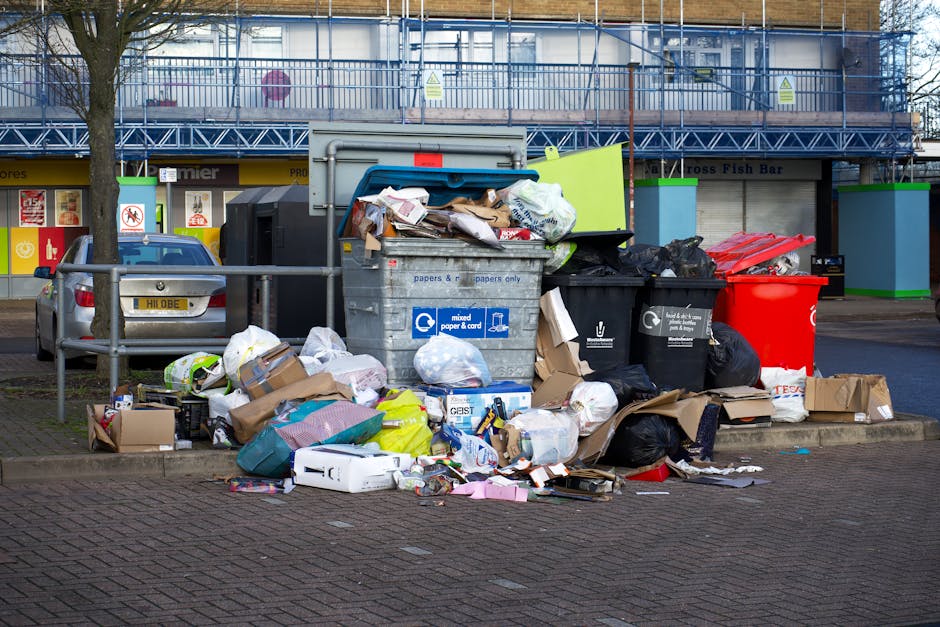
Rubbish Removal Options on Chigwell High Road
If you are standing on Chigwell High Road with a van load of old furniture, broken appliances, or a pile of renovation waste, the question is usually simple: what is the quickest, safest, and most sensible way to get it gone? Rubbish Removal Options on Chigwell High Road can range from a straightforward household collection to a more coordinated clearance for heavier or mixed waste. The right choice depends on what you have, how urgently it needs shifting, and how much hands-on work you want to avoid.
This guide walks you through the realistic options, the trade-offs, and the little details people often miss. You will get a clear picture of how local waste removal works, what to watch out for, and how to choose the most practical route for your situation. Truth be told, a lot of rubbish looks easier to deal with until you are trying to move it down a narrow stairwell on a wet afternoon.
To make this genuinely useful, the article also covers best practice, compliance, and a few decision-making shortcuts that save time and headaches. If you are comparing services, trying to avoid fly-tipping risk, or just want a neat driveway again, you are in the right place.
For broader help with domestic, trade, or mixed waste, you may also want to explore waste removal services and the more specific pricing and quotes information when you are ready to compare options.
Table of Contents
- Why Rubbish Removal Options on Chigwell High Road Matters
- How Rubbish Removal Options on Chigwell High Road Works
- Key Benefits and Practical Advantages
- Who This Is For and When It Makes Sense
- Step-by-Step Guidance
- Expert Tips for Better Results
- Common Mistakes to Avoid
- Tools, Resources and Recommendations
- Law, Compliance, Standards, or Best Practice
- Options, Methods, or Comparison Table
- Case Study or Real-World Example
- Practical Checklist
- Conclusion
- Frequently Asked Questions
Why Rubbish Removal Options on Chigwell High Road Matters
Choosing the right rubbish removal option is not just about convenience. On a busy road like Chigwell High Road, access, parking, timing, and the type of waste all affect how smooth the job will be. A quick load-out from a front drive is one thing; carrying bulky waste through a flat, a shop, or a shared entrance is another matter entirely.
It also matters because waste has to go somewhere lawful. That sounds obvious, but the practical reality is that not every collection is equal. Mixed rubbish, builders' waste, furniture, garden cuttings, and business waste all have different handling needs. If you choose badly, you can end up paying for unnecessary labour, delaying a project, or facing a mess that is still sitting there on Monday morning.
There is also the local factor. High streets tend to be less forgiving than quiet residential cul-de-sacs. Traffic, loading restrictions, and footfall can make a simple clearance a little more awkward. Not impossible, just a bit more planned. And planning is where good results usually come from.
Expert takeaway: the best rubbish removal option is rarely the biggest one. It is the one that fits the waste type, access, urgency, and budget without creating extra work.
How Rubbish Removal Options on Chigwell High Road Works
In practice, rubbish removal on Chigwell High Road usually falls into one of a few common methods. You can arrange a man-and-van style collection, book a specialist clearance service, use a dedicated waste pickup for trade or business material, or manage the disposal yourself if the volume is small and the access is easy.
Most services begin with a description of the waste. Sometimes that means photos; sometimes a short list; sometimes a visit if the job is more involved. The clearer you are at the start, the less chance there is of awkward surprises on the day. A chipped wardrobe is simple enough. A wardrobe with a mattress, broken tiles, and half a shed worth of damp cardboard? That needs better planning.
The collection itself normally includes loading, transport, and disposal. Depending on the provider, it may also include sweeping up the area afterwards. For mixed waste, the service may sort recyclable items from general rubbish. That is useful not only for sustainability but also for keeping costs realistic.
For some household jobs, a dedicated clearance service is more efficient than a one-off tip run. If you are emptying a room, garage, loft, or entire flat, the work can be bundled into a single visit. You can see examples of those more targeted services in house clearance, flat clearance, and garage clearance.
One thing people often underestimate: the time saved is not just the loading time. It is the time not spent borrowing a van, lifting heavy items, finding a disposal route, and making a second trip because the first one was not enough. That part sneaks up on you.
Key Benefits and Practical Advantages
The main advantage of using a suitable rubbish removal option is simple: less stress. But there are several other benefits that matter in real life, especially if you are dealing with clutter, deadlines, or a busy property.
- Faster clear spaces: Useful when you need a room, shopfront, office, or drive cleared quickly.
- Less manual effort: Heavy or awkward waste is handled properly instead of being dragged about by people who probably did not sign up for it.
- Cleaner outcomes: A proper clearance usually leaves the area tidier than a DIY attempt.
- More suitable for mixed loads: If you have furniture, packaging, rubble, and general household waste together, a flexible collection can make life easier.
- Better for scheduling: A planned visit helps you work around deliveries, contractors, opening hours, or neighbours.
- Reduced disposal risk: Using a legitimate service lowers the chance of waste ending up handled badly or dumped illegally.
There is a practical benefit many people forget: decision fatigue disappears. Once you have the right option booked, you can get on with everything else. And honestly, that can be worth a fair amount on its own.
If your rubbish is tied to refurbishment or building work, a specialist route such as builders waste clearance can be a better fit than a general collection. For office or commercial premises, business waste removal may make more sense because it is shaped around ongoing operational needs.
Who This Is For and When It Makes Sense
Rubbish removal options on Chigwell High Road suit a wide range of people, but the reasons differ. A homeowner clearing out a spare room has a different problem from a shop owner trying to clear packaging from a busy back entrance. Same street, very different needs.
This is a good fit for:
- homeowners dealing with one-off clear-outs
- landlords preparing a property for new tenants
- tenants leaving a flat with excess belongings
- shop owners with bulky stock packaging or damaged fittings
- offices that need furniture or equipment removed
- builders or decorators with leftover site waste
- people tackling a garage, loft, shed, or garden reset
It makes sense whenever the waste is too much for normal bins, too awkward for a simple car boot trip, or too varied to sort one item at a time. If you are looking around the room and thinking, "this will take all weekend," that is usually a good sign you should consider a proper removal option.
Sometimes the decision is about emotion as much as logistics. After a bereavement, a move, or a long-overdue declutter, people often want a respectful, straightforward service rather than a string of small tasks. A calm, efficient clearance can make the whole thing feel more manageable.
Step-by-Step Guidance
If you want the process to go smoothly, it helps to treat rubbish removal as a short project rather than a last-minute chore. Here is the practical way to approach it.
- Identify the waste type. Separate furniture, general rubbish, garden waste, builders' material, electrical items, and anything hazardous.
- Estimate volume. A few bin bags is not the same as a half-full garage. Take a moment and be honest about the amount.
- Check access. Think about stairs, narrow hallways, parking restrictions, gated entries, and whether the van can stop safely nearby.
- Decide what must go first. If there are sentimental items, documents, or anything reusable, remove those before the clearance begins.
- Compare the right service type. Choose between general waste removal, clearance, or a specialist category depending on the load.
- Ask what is included. Loading, labour, sweeping, recycling, and disposal all matter. Do not assume.
- Prepare the space. Move easy items into one area if that helps. A few minutes here can save time later.
- Confirm timing. On a busy road, collection windows matter. Mornings can be calmer, but that depends on the property and traffic.
- Keep the paperwork or confirmation. Even a simple booking record is useful if you need to refer back to the details.
- Check the area after collection. Make sure nothing useful or important went out with the rubbish. It happens. More than people admit.
A small real-world tip: if you are clearing a room after redecorating, keep a "maybe" box off to one side. It stops indecision from slowing the whole job down. You can deal with the box later, when the dust has settled a bit.
Expert Tips for Better Results
Good rubbish removal is not only about lifting and loading. It is about making the job predictable. A few expert habits go a long way.
Sort before you book
The more clearly you separate your waste, the more accurate your quote and collection plan will be. Mixed loads are common, but mixed loads with surprises are where jobs get messy. If you know there are old bed frames, plasterboard, or electrical items, say so early.
Photograph awkward items
A quick photo can explain more than a paragraph. It helps with access, weight, and volume. That is especially helpful for large furniture, office desks, or bulky garden waste that looks smaller until you stand next to it.
Plan around the street
Chigwell High Road can be busy enough that parking and loading matter almost as much as the rubbish itself. If access is tight, mention it. A collection that looks simple on paper can become awkward if a van has nowhere safe to pause.
Choose the right removal type for the job
For a single mattress, one method may be enough. For a full property clear-out, another service will save time and probably feel less chaotic. If you are doing a large move-out or decluttering project, home clearance and loft clearance may be more suitable than a general rubbish collection.
Think about reuse where possible
Some items may be suitable for reuse or separate recycling, especially furniture in decent condition. It is not always worth overthinking, but it helps to ask the question before everything ends up in the same pile.
One slightly unglamorous truth: the best clearance jobs are usually the boring ones. Clear notes, clear access, clear waste type. Not exciting, but very effective.
Common Mistakes to Avoid
People often make the same few mistakes when arranging rubbish removal. None of them are dramatic on their own, but together they can create avoidable delays or extra cost.
- Underestimating volume: What looks like "a few bags" can fill a van surprisingly quickly.
- Mixing everything together: Keeping bulky items separate from lighter waste often makes the job easier.
- Forgetting access issues: A narrow alley or awkward parking spot can change the whole plan.
- Leaving out heavy items from the description: Rubbish with hidden weight, like wet garden waste or broken tiles, needs proper mention.
- Assuming all waste is treated the same: It is not. Some materials need special handling or separate sorting.
- Not checking what happens after collection: You want to know the waste is being handled properly, not just removed from sight.
Another common slip is waiting until the last minute and then expecting everything to be simple. Sometimes it is. Often it is not. A little planning beats a rushed booking every time, no contest.
Tools, Resources and Recommendations
You do not need a garage full of kit to organise rubbish removal, but a few simple tools make the process cleaner and safer.
- Heavy-duty gloves: Useful for sorting sharp edges, dirty packaging, or splintered wood.
- Mask or dust protection: Handy for lofts, old cupboards, or dusty clear-outs.
- Strong bags or boxes: Better than overfilled supermarket bags that split at the worst moment.
- Tape measure: Helps with bulky furniture and access planning.
- Phone camera: The quickest way to show what needs removing.
- Labels or marker pen: Very useful if you are separating keep, donate, and remove piles.
For specific property types, targeted services can help you make a cleaner choice. A garden full of branches and soil is not the same as an office full of desk units. If you need outdoor waste dealt with, garden clearance is usually more appropriate. If you are dealing with a workplace move or refit, office clearance and furniture clearance may fit better.
There is also a useful sustainability angle. Where possible, choose a service that explains how reusable and recyclable materials are separated. You do not need a lecture on waste management, just a sensible approach that keeps as much as possible out of general disposal.
Law, Compliance, Standards, or Best Practice
Waste removal in the UK should be handled with care, and the basic principle is straightforward: waste must be managed responsibly and passed to a legitimate carrier or facility. You do not need to know every detail of the system to make a good decision, but you should be cautious about anyone who is vague, reluctant to explain where waste goes, or suspiciously cheap.
Best practice usually includes proper loading, lawful transport, suitable recycling where possible, and reasonable care around safety. If you are a business, there may be additional expectations around records, duty of care, and clear disposal arrangements. Even for household jobs, it is sensible to use a provider that is open about its process.
Health and safety matters too. Heavy lifting, dust, broken glass, sharp metal, and awkward stair carries can all create avoidable injury risks. A professional approach should take this seriously, not treat it as a box-ticking exercise. If you want more detail on how that is handled, you can review the site's health and safety policy and insurance and safety information.
On the environmental side, many customers prefer a service that supports responsible sorting and recycling. That is not just a nice extra. It is increasingly part of what people expect from a proper waste service. The clearer the process, the easier it is to trust it.
Options, Methods, or Comparison Table
Here is a simple comparison to help you choose the most suitable rubbish removal route for Chigwell High Road.
| Option | Best for | Pros | Possible drawbacks |
|---|---|---|---|
| General rubbish removal | Mixed household or light commercial waste | Flexible, quick, easy to arrange | May not suit very large or specialised loads |
| House or home clearance | Rooms, properties, move-outs, decluttering | Efficient for larger jobs, less stress | Can be more involved than a simple collection |
| Furniture disposal | Sofas, beds, tables, wardrobes | Good for bulky items, saves heavy lifting | Condition and material can affect handling |
| Builders' waste clearance | Renovation debris, rubble, timber, packaging | Useful for trade and refurb projects | Must be planned carefully for access and load type |
| Garden clearance | Branches, soil, hedge trimmings, green waste | Keeps outdoor spaces tidy quickly | Wet or bulky waste can be heavier than expected |
| Office clearance | Desks, chairs, filing items, workplace clutter | Useful for business moves and refurbishments | May require coordination around business hours |
The right method depends on the job shape, not just the amount of rubbish. A single bulky item can need more care than a whole stack of bagged waste. A half-empty room can still be more work than a full skip, if access is awkward. That's the bit people sometimes miss.
Case Study or Real-World Example
Imagine a small flat just off Chigwell High Road after a move-out. There are three bin bags, a broken bedside table, an old mattress, a chipped chest of drawers, and a few boxes of mixed household bits that somehow survived three years in a cupboard. Nothing dramatic, but enough to clog the hallway and make the place feel unfinished.
A sensible approach would be to separate anything personal or reusable first, then group the bulkier items together, and finally book a clearance service that handles mixed loads. If the mattress and furniture are the big problem, a focused furniture disposal approach may be enough. If there are also odds and ends from a full clean-out, a broader house or flat clearance is likely easier.
What tends to make the difference is communication. In real jobs, the smoothest collections usually come from customers who say, "There's a narrow stairwell, and the van will need to stop for only a few minutes," rather than leaving that part to chance. The job can still go perfectly fine, but the planning is doing a lot of the heavy lifting behind the scenes.
And yes, sometimes there is always one last drawer no one remembered. It happens. Every time, apparently.
Practical Checklist
Use this quick checklist before booking rubbish removal on Chigwell High Road:
- Confirm what type of waste you have
- Separate reusable items from rubbish
- Estimate the quantity as accurately as possible
- Note any stairs, parking restrictions, or tight access points
- Check whether items are bulky, heavy, dusty, or awkward
- Decide if you need a general, domestic, garden, office, or builders' clearance
- Prepare any items that need to be moved to one place
- Ask what is included in the service
- Keep important documents, keys, and valuables aside
- Make sure you understand the booking details before the collection day
If you are comparing options, the site's recycling and sustainability page may also be helpful for understanding how responsible disposal is approached.
Conclusion
Rubbish Removal Options on Chigwell High Road are easiest to manage when you match the service to the actual job. Small mixed loads, bulky furniture, garden waste, office clear-outs, and builders' debris all have different needs, and the best results usually come from clear communication and a little planning. Nothing fancy, just the basics done properly.
If you take one thing from this guide, let it be this: the cheapest-looking option is not always the easiest, and the quickest option is not always the most suitable. A good clearance saves time, reduces stress, and leaves you with a space that feels properly finished. That bit matters more than people think.
Get a free quote today and see how much you can save.
When the clutter is finally gone, the room feels lighter, the air feels clearer, and the whole day tends to improve a bit. Funny how that works.
Frequently Asked Questions
What are the main rubbish removal options on Chigwell High Road?
The main options are general rubbish removal, house or flat clearance, furniture disposal, garden clearance, office clearance, and builders' waste clearance. The right choice depends on the type and volume of waste.
Is rubbish removal better than doing it myself?
It depends on the load and the access. DIY can work for small, light amounts, but professional removal is usually easier for bulky, heavy, or mixed waste. It also saves the hassle of loading, transport, and disposal planning.
How do I know which service is right for my waste?
Start with the waste type. Furniture, green waste, renovation debris, and business waste often need different handling. If you are unsure, describe the job clearly and mention the volume, access, and any unusual items.
Can I book rubbish removal for just one large item?
Yes, that is often possible. A single sofa, wardrobe, mattress, or appliance may still be worth collecting if it is awkward to move or transport yourself.
What should I do before a rubbish removal visit?
Separate keep items from remove items, check access, and make sure the waste is easy to identify. If there are stairs, parking restrictions, or fragile surfaces, mention them before the collection day.
Is builders' waste different from household rubbish?
Yes. Builders' waste can include rubble, timber, plasterboard, tiles, and packaging, which often needs more careful handling than standard household rubbish. A specialist builders' clearance is usually a better fit.
Do I need to sort recyclable items first?
It helps, but it is not always essential. Many services sort waste during processing. That said, separating reusable or special items beforehand can make the job simpler and sometimes more efficient.
How long does a rubbish removal job usually take?
Small jobs can be surprisingly quick, while larger clearances may take longer depending on access, item size, and how much sorting is needed. A clear description at booking stage usually gives the best estimate.
What if my property has difficult access?
Difficult access does not automatically rule out removal, but it should be explained in advance. Narrow staircases, limited parking, or long carries can affect planning and timing, so the service can prepare properly.
Can rubbish removal help with a house move or declutter?
Absolutely. It is often one of the most practical ways to reduce the amount you need to pack, store, or transport. People use it for moves, spring cleans, downsizing, and post-renovation tidy-ups all the time.
Are office clearances handled differently from home clearances?
Usually, yes. Office clearances often involve desks, chairs, filing items, cabling, and workplace schedules. They may need coordination around business hours and a more structured plan than a standard domestic clearance.
How can I make sure waste is handled responsibly?
Choose a provider that is clear about its process, safety approach, and recycling practices. Responsible handling should be part of the service, not a vague promise at the end of the conversation.