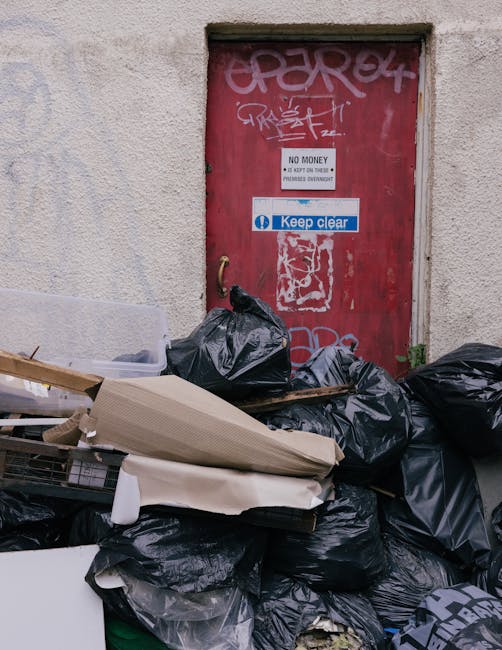
Tackling fly-tipping on Chigwell's small lanes and alleys
Fly-tipping in narrow lanes and tucked-away alleys is one of those problems that looks small at first glance, then quickly becomes a headache for everyone nearby. A single mattress, a broken wardrobe, a few black bags left in the wrong place on a wet Monday morning - and suddenly the lane feels untidy, unsafe, and a bit neglected. In Chigwell, where small access routes can be tight, uneven, and awkward to reach, tackling fly-tipping on Chigwell's small lanes and alleys takes more than a quick tidy-up. It needs a sensible plan, the right vehicle access, and a proper understanding of what can and cannot be removed safely.
This guide walks through the practical side of dealing with dumped waste in narrow spaces: why it matters, how the clean-up process usually works, what to watch out for, and how to choose a responsible approach. If you are a homeowner, landlord, managing agent, business owner, or simply the person who keeps noticing the same pile appearing by the hedge, you will find something useful here. And yes, there is a difference between "someone should do something" and actually getting the space cleared properly.
Table of Contents
- Why Tackling fly-tipping on Chigwell's small lanes and alleys Matters
- How Tackling fly-tipping on Chigwell's small lanes and alleys Works
- Key Benefits and Practical Advantages
- Who This Is For and When It Makes Sense
- Step-by-Step Guidance
- Expert Tips for Better Results
- Common Mistakes to Avoid
- Tools, Resources and Recommendations
- Law, Compliance, Standards, or Best Practice
- Options, Methods, or Comparison Table
- Case Study or Real-World Example
- Practical Checklist
- Conclusion
- Frequently Asked Questions
Why Tackling fly-tipping on Chigwell's small lanes and alleys Matters
Fly-tipping is not just an eyesore. In small lanes and alleys, it can block access, attract vermin, create sharp hazards, and make an otherwise calm part of Chigwell feel a bit abandoned. That matters because narrow routes tend to serve more than one purpose: pedestrian access, rear access for properties, bin collections, maintenance entry, and sometimes emergency access. If rubbish is left there, even briefly, it can cause a chain reaction of problems.
Let's face it, people tend to dump waste where they think they can get away with it. A quiet lane at dusk, a blind corner, or a little-used alley behind garages can invite repeat dumping if nothing is done. Once a spot starts to look neglected, more waste often follows. That is why fast, visible action is so valuable. Clearing the waste is one part; restoring the sense that the area is cared for is the other.
There is also a neighbourly side to this. Residents living near the lane may worry about smell, pests, or children passing the area. A landlord may have concerns about tenant complaints. A business may simply need a safe back entrance again. None of this is dramatic, but all of it adds up. In our experience, people often delay action because the pile does not seem "big enough" yet. Then it becomes a bigger job, more costly, and much more awkward to handle.
Expert summary: In tight access areas, fly-tipping is as much an access and safety problem as it is a waste problem. The best response is quick, safe, and practical, with proper clearance rather than piecemeal guessing.
How Tackling fly-tipping on Chigwell's small lanes and alleys Works
Clearing fly-tipped waste from narrow routes is a little different from ordinary rubbish removal. Access is usually the first challenge. Can a vehicle get close enough? Is there room to manoeuvre? Is the waste reachable without dragging heavy items across fragile ground, steps, or private property? These details matter more than people often realise.
The process usually starts with a site check or a detailed description of the location. That is where photos help. A few clear images can show whether the lane is passable, whether the waste is mixed, and whether there are likely hazards such as broken glass, paint tins, or damp materials. Mixed waste needs more care, because you do not want recyclable items contaminated by general refuse, and you definitely do not want anyone rummaging through an unknown pile without proper protection.
From there, the clearance approach depends on three things: access, volume, and risk. Some jobs are straightforward. A couple of bags and a broken chair can be removed quickly. Others take more planning, especially if the lane is tight, shared, or only accessible on foot. In those cases, the crew may need to work in stages, using smaller loads, keeping the route open, and making sure waste is sorted for responsible disposal.
If the waste includes bulky furniture, building offcuts, fridges, or sacks of unknown material, the approach changes again. Heavy items must be handled carefully to avoid damage to walls, railings, gates, and paving. And if there is anything hazardous or suspected to be hazardous, it should be treated cautiously rather than casually. No one needs heroics here. Just competence.
For residents or businesses who want a cleaner, more structured process, it often helps to choose a service that explains how it handles safety, insurance, and responsible disposal. A good place to start is the company's health and safety guidance, along with its insurance and safety information. That kind of detail tells you a lot about whether a team is set up for awkward access, not just easy jobs.
Key Benefits and Practical Advantages
There are obvious benefits to clearing fly-tipping, and then there are the quieter ones that people notice a week later. The obvious ones include a cleaner lane, better access, and less chance of pest activity. The quieter ones are often the real win: less stress, fewer complaints, and a better feeling that the area is being looked after.
- Improved safety: Removing sharp, unstable, or heavy waste lowers the risk of trips, cuts, and blocked access.
- Better access for residents and services: Narrow lanes need to stay usable for bins, maintenance, and deliveries.
- Less repeat dumping: A prompt clean-up can discourage the "well, someone else has dumped here too" effect.
- Cleaner surroundings: Even a small clearance can make a lane feel much more presentable.
- More responsible disposal: Proper sorting and recycling reduce the chance of useful materials going to waste.
There is also a practical financial angle. Letting fly-tipping sit can make the job harder later. Waste gets wetter. Bags split. More items get added. One awkward sofa becomes a mixed load with a half-hidden pile underneath it. So acting early can genuinely save time and money. Nothing glamorous about that, but it is true.
For people comparing options, it may help to look at transparent service information such as pricing and quote details. Clear pricing is useful because small-lane work can vary a lot depending on access and load size. A vague price is rarely a reassuring price.
Who This Is For and When It Makes Sense
This kind of clearance is relevant to quite a wide group. You may need it if you are dealing with repeated dumping behind homes, access alleys near small commercial units, private roads, shared rear lanes, or service corridors that seem to attract dumped bags after dark. It is also relevant where there is no easy place for a bulky item collection and waste has been left where it simply should not be.
Typical users include:
- Homeowners: especially those with rear access, alley gates, or shared side passages.
- Landlords and agents: where tenant turnover, end-of-tenancy waste, or unauthorised dumping creates a recurring issue.
- Small businesses: particularly those with service alleys, storage access, or narrow delivery routes.
- Property managers and caretakers: who need a reliable way to keep common access areas clear.
- Neighbourhood groups or residents' associations: where a specific lane has become a known dumping spot.
It makes sense to act when waste is starting to interfere with normal use of the lane, not only when it has become impossible to ignore. If rubbish is on private land, near fencing, or blocking access to bins or meters, you may need a clearance sooner than you think. A small pile has a habit of becoming a bigger one overnight. Strange but true.
If you are unsure whether the problem is a one-off or a recurring issue, the safest next step is often to get a clear assessment and ask for practical advice. If the site is awkward, contact a team through the contact page and explain the access conditions as plainly as you can. A few honest details now save a lot of back-and-forth later.
Step-by-Step Guidance
Below is a simple, practical way to tackle fly-tipping in a small lane or alley without turning the whole thing into a drama.
- Assess the site carefully. Check what has been dumped, how much there is, whether the lane is accessible, and whether there are any obvious hazards.
- Take clear photos. Good images help with quoting, planning, and deciding what equipment or labour may be needed.
- Separate what is safe to move from what is not. Do not lift unknown sharps, damp chemicals, or broken electrical items without thinking it through.
- Decide whether the waste can be moved by hand or needs a vehicle close by. In a narrow alley, this can be the difference between a smooth job and a frustrating one.
- Choose a clearance method that matches the site. Small, careful loads are often better than one rushed sweep when access is tight.
- Make sure the waste is sorted properly. Reusable, recyclable, and general waste should be separated where possible.
- Check the area after clearance. Sometimes there is a second layer of waste tucked behind the first one. It happens more than you'd think.
- Reduce the chance of repeat dumping. Consider lighting, signage, locking gates, or regular checks in problem spots.
If the waste is extensive or the lane is difficult to access, it can be worth asking for a site-specific quote rather than relying on broad estimates. More detail upfront usually means a more accurate job. Not always, but usually.
A simple example of the process
Picture a rear alley behind a row of houses in Chigwell. Two old chairs, a collapsed wardrobe, and six bin bags have been left near a brick wall. The route is narrow, with a slight turn halfway down. A quick visual check shows the bags are damp and the wardrobe is partly broken, with splintered wood sticking out. That is not a "just grab it" situation. It is a measured clearance job: protect hands, move carefully, keep the route open, and load in stages so nothing gets damaged or left behind.
Expert Tips for Better Results
Small-lane clearances go more smoothly when the planning is better than the waste pile. That sounds obvious, but it is where many jobs become awkward.
- Measure the access, not just the waste. The lane width, turn radius, surface condition, and nearby parking can matter as much as the rubbish itself.
- Assume the load is heavier than it looks. Old furniture and wet bags are sneaky like that.
- Keep a record of recurring hotspots. If the same alley is being used repeatedly, patterns may emerge.
- Work around neighbours politely. A quick heads-up can avoid blocked doorways or misunderstandings.
- Use protective equipment. Gloves are not optional when there may be broken glass, mould, or sharp metal.
- Plan for sorting at source. The more mixed the waste, the more care is needed to keep recycling viable.
One thing we often tell people: do not try to solve a tricky access problem with brute force. The lane will always win. Better to work in smaller stages than to damage a wall, scuff a gate, or injure someone in a tight space. That "quick fix" can turn expensive very quickly, and nobody wants that on a damp Tuesday afternoon.
Also, if you are comparing providers, look beyond the headline price. A cheaper quote is not necessarily better if it ignores access difficulties, safety precautions, or responsible disposal. The nicer-looking number can hide a messy reality. A proper provider should be open about process, security, and how payments are handled too; for that reason, the site's payment and security information can be a useful trust signal.
Common Mistakes to Avoid
Most fly-tipping mistakes are avoidable, which is the annoying part. People usually know something is off, but still take a shortcut because the pile seems manageable.
- Leaving it too long: Delay often makes the job bigger, wetter, and more unpleasant.
- Guessing at access: A lane that looks usable on foot may still be awkward for loading.
- Mixing hazardous items with ordinary waste: Paint, chemicals, sharp metal, and damaged electricals need extra caution.
- Dragging heavy items across the ground: This can damage paving and make the site look worse after the clear-up.
- Ignoring repeat dumping patterns: If it keeps happening, the solution needs to be more than one-off clearance.
- Choosing a provider without checking standards: It is worth reading the company's about information and related policies, because the way a business presents itself often says a lot about how it works on site.
A smaller but common mistake is forgetting the aftermath. Once the waste is gone, what remains? If the alley is still poorly lit, unlocked, or easy to access at night, the spot may simply attract another pile. So think of clearance as phase one, not the whole solution.
Tools, Resources and Recommendations
You do not need a huge kit to deal with fly-tipping properly, but you do need the right basics. For most practical clearances, the essentials are straightforward.
| Tool / Resource | Why it helps | Best used for |
|---|---|---|
| Heavy-duty gloves | Protects hands from sharp or dirty materials | General handling and sorting |
| Protective footwear | Helps reduce injury risk on uneven ground | Awkward lanes and debris areas |
| Photos of the site | Support accurate quoting and planning | Pre-job assessment |
| Dust sheets or coverings | Protects nearby surfaces during movement | Close-clearance work by walls or gates |
| Waste sacks and labels | Makes sorting easier | Mixed waste handling |
| Local access notes | Helps avoid blocked routes and delays | Planning with neighbours or managers |
For property owners and managers, it can also help to keep a simple log of where dumping occurs, when it happens, and what type of material appears. Nothing fancy. Just enough to notice if the same access point keeps being used. That information can be surprisingly useful when deciding whether to improve lighting, add a lock, or change the way bins are stored.
If the issue is linked to wider waste management or end-of-tenancy clutter, you may also want to review the site's recycling and sustainability approach. Responsible clearance is not only about removing items; it is about handling them in a way that avoids unnecessary waste where possible. A messy job can still be done responsibly.
Law, Compliance, Standards, or Best Practice
Fly-tipping is not something to treat casually. In the UK, waste must be handled responsibly, and anyone arranging clearance should be satisfied that waste is being managed by a legitimate, competent operator. You do not need to become a legal expert to make good choices, but you should understand the basics.
Best practice usually means:
- Using a properly insured provider for loading and removal.
- Checking that waste is taken away legally and not left in an unsuitable place.
- Making sure hazardous items are identified carefully before handling begins.
- Keeping access safe for residents and passers-by during the work.
- Following sensible site-specific procedures where lanes are narrow or shared.
For many readers, the main concern is not legal theory but peace of mind. Fair enough. You want the lane cleared without becoming responsible for a bigger problem later. That is why it helps to choose a business that is open about its working standards, complaints handling, and terms. The pages on terms and conditions and complaints procedure are not glamorous reading, but they do matter when you want clarity and accountability.
If you have concerns about privacy while arranging an access visit, it is also reasonable to look at the site's privacy policy. Not every job needs a deep policy review, of course, but trust tends to live in the details.
Options, Methods, or Comparison Table
There is more than one way to deal with fly-tipping in a narrow lane, and the right option depends on access, urgency, and the type of waste. Here is a simple comparison that may help.
| Method | Best For | Pros | Limitations |
|---|---|---|---|
| DIY removal | Very small, safe, lightweight waste | Fast if the load is tiny and manageable | Risky for heavy, sharp, or mixed waste; access issues remain |
| Local authority route | Reporting illegal dumping on public land | May be appropriate where the land is not private | Often not immediate; not suitable for private clearance needs |
| Professional clearance | Mixed, bulky, or awkward-access waste | Better for narrow lanes, safety, sorting, and logistics | Cost depends on access and volume |
For many Chigwell properties, professional clearance is the most practical choice when the lane is tight or the waste is uncertain. DIY can work for a couple of light bags, but once you are dealing with broken furniture, damp material, or anything you would rather not touch twice, the balance shifts quickly. Truth be told, your time is worth something too.
Case Study or Real-World Example
Here is a realistic example. A managing agent responsible for a small row of homes noticed repeated dumping in a rear alley: old boxes, garden waste, and the occasional bulky item left just out of sight from the main road. The first sign was minor. The second time, there was more. By the third visit, the pile was partially blocking bin access.
Instead of waiting for it to become a larger complaint, they arranged a site review. The key issue was access: the alley was narrow and slightly uneven, with a bend that made larger equipment impractical. The waste was therefore cleared in smaller, carefully managed loads. Sharp items were separated, recyclable materials were set aside where suitable, and the route was checked at the end to make sure nothing had been missed.
The interesting part was not just that the alley was cleared. The agent also changed the way the area was monitored and spoke to nearby residents about keeping the space visible and secure. No magic, no dramatic intervention. Just a practical clean-up followed by a few sensible adjustments. That is often how these things get better. Slow and steady. Bit boring, actually. But effective.
Practical Checklist
Use this checklist before arranging or starting a clearance in a small lane or alley:
- Have I identified whether the waste is on private or shared land?
- Do I know roughly how much has been dumped?
- Have I taken clear photos of the site?
- Is the lane accessible for people and vehicles?
- Are there any sharp, wet, heavy, or unknown items?
- Could the waste include electricals, paint, chemicals, or other special items?
- Will the clearance need to be done in stages?
- Do nearby residents or occupiers need advance notice?
- Have I checked the provider's safety and insurance information?
- Do I have a plan to reduce repeat dumping after the site is cleared?
That list is simple, but it saves trouble. A little prep avoids a lot of awkwardness. And in a cramped lane, awkwardness is not something you want more of.
Conclusion
Tackling fly-tipping on Chigwell's small lanes and alleys is about more than removing unwanted rubbish. It is about restoring access, reducing risk, protecting neighbours, and stopping a neglected corner from becoming a regular dumping spot. The best outcomes usually come from clear assessment, safe handling, and a calm, organised approach rather than rushing in and hoping for the best.
If your lane or alley is already becoming a nuisance, do not wait for the pile to grow teeth. Get the area checked, gather a few photos, and choose a clearance method that fits the access and the waste. That one decision can make the whole thing easier.
Get a free quote today and see how much you can save.
When a small lane is cleared properly, the difference is immediate. You notice the space again. The air feels lighter. And that is often the first step toward keeping it that way.
Frequently Asked Questions
What counts as fly-tipping in a small lane or alley?
Fly-tipping usually means waste has been dumped illegally or left where it should not be, including bags, furniture, rubble, or mixed rubbish in a private or shared access route.
Who is responsible for clearing fly-tipped waste?
Responsibility depends on where the waste is located and who controls the land. Private landowners, landlords, managing agents, or local authorities may each have a role, so it is worth checking the location carefully.
Can I remove fly-tipped waste myself?
Only if the waste is small, safe, and easy to handle. If there are sharp objects, heavy items, chemicals, or poor access, it is usually safer to use a professional clearance service.
Why are narrow lanes and alleys so often targeted?
They are quieter, less visible, and sometimes easier for people to dump waste in without being noticed. Repeated dumping can happen if an area looks neglected.
What should I do first if I find dumped waste?
Take photos, check for hazards, and confirm whether the land is private, shared, or public. Then decide whether a safe clearance or a report is the right next step.
How do I know if the waste is hazardous?
If you see paint tins, unknown liquids, syringes, broken electrical equipment, chemical smells, or anything leaking, treat it as potentially hazardous and avoid handling it casually.
Does a professional clearance service help with awkward access?
Yes, that is often one of the main reasons people call one. Narrow lanes, shared alleys, and rear access routes can be cleared more safely when the work is planned around the space.
Will a clearance service sort recyclable items too?
Responsible providers usually try to separate recyclable material from general waste where practical, although the exact approach depends on the condition and mix of the load.
How can I stop fly-tipping happening again?
Improve visibility, secure gates if appropriate, check lighting, remove waste promptly, and keep an eye on repeated hotspots. Small preventative steps can make a real difference.
Is it worth getting a quote for a small amount of waste?
Often yes, especially if access is difficult. In a tight lane, the logistics can matter as much as the amount of rubbish, so an accurate quote is usually more useful than guesswork.
What if the same alley keeps getting dumped in?
That usually means the site needs both clearance and prevention measures. A one-off clean-up may not be enough if the access point is easy to use or poorly monitored.
How do I choose a trustworthy provider?
Look for clear information on safety, insurance, pricing, and terms. It is also sensible to review the company's service pages and contact details so you know who you are dealing with before the work starts.